Business Name: BeeHive Homes of St George Snow Canyon
Address: 1542 W 1170 N, St. George, UT 84770
Phone: (435) 525-2183
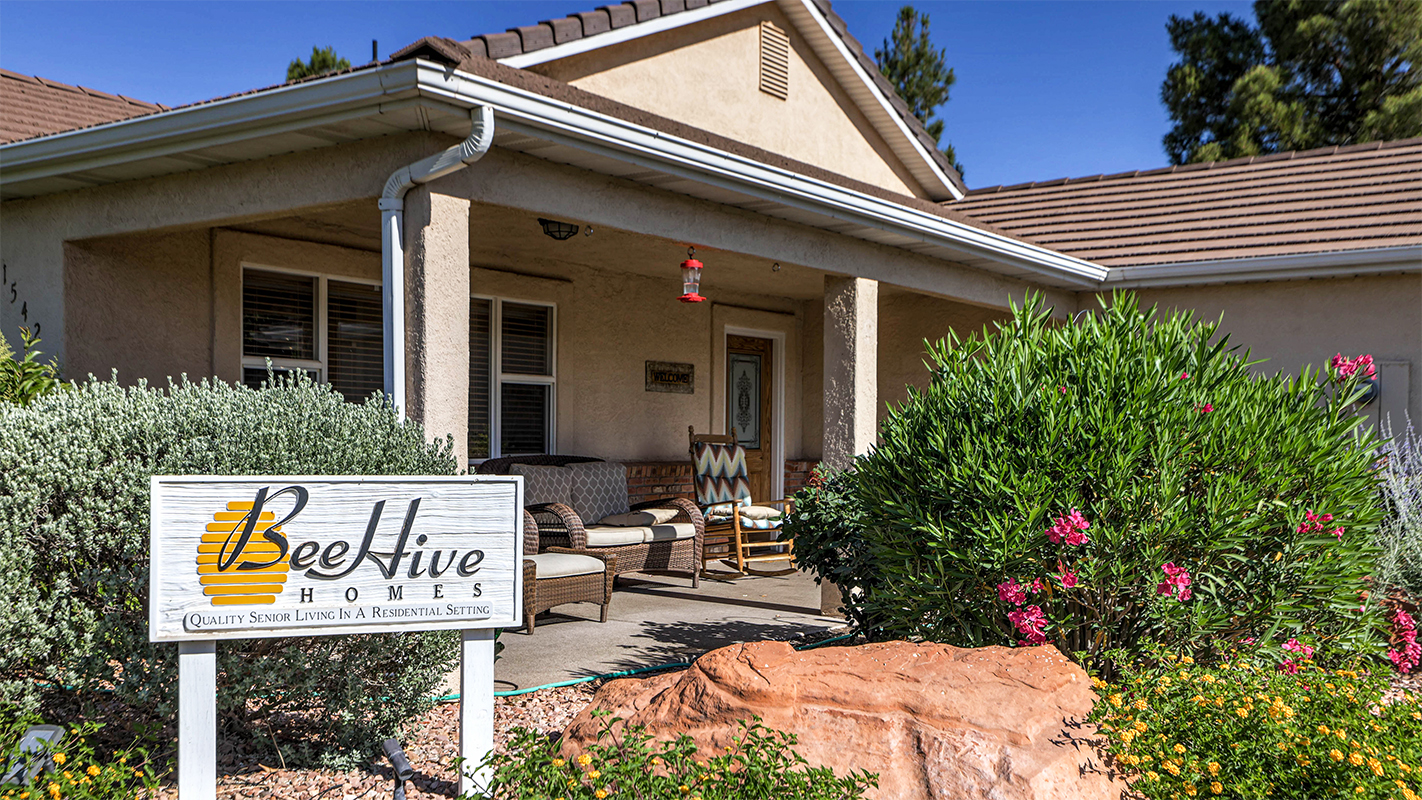
BeeHive Homes of St George Snow Canyon
Located across the street from our Memory Care home, this level one facility is licensed for 13 residents. The more active residents enjoy the fact that the home is located near one of the popular community walking trails and is just a half block from a community park. The charming and cozy decor provide a homelike environment and there is usually something good cooking in the kitchen.
1542 W 1170 N, St. George, UT 84770
Business Hours
Monday thru Saturday: 9:00am to 5:00pm
Facebook: https://www.facebook.com/Beehivehomessnowcanyon/
Deciding where an older adult ought to live when self-reliance starts to wane is one of the hardest choices households deal with. The choice is rarely practically physicals. It touches identity, security, cash, household characteristics, and a life time of practices. When memory problems go into the picture, the stakes rise even further.
Assisted living and memory care both sit under the broad umbrella of senior care, yet they serve various requirements and presume different levels of threat. As somebody who has actually strolled families through these discussions, I have actually seen excellent outcomes and some painful mistakes. The difference typically boils down to timing, clear-eyed assessment, and honest conversations.
This guide unpacks how assisted living and memory care differ in practice, who thrives where, and how to make a decision you can live with, even if it is not perfect.
How Assisted Living Fits Into the Senior Care Landscape
Assisted living was originally developed for older adults who do not need a nursing home, but can not or should not live entirely on their own. The model focuses on real estate plus aid with everyday activities, layered with social chances and some fundamental health monitoring.
Residents generally have their own apartment or condo or suite, with a personal restroom and a small kitchenette. Personnel support normally consists of assist with bathing, dressing, grooming, medication reminders or administration, and sometimes escorts to meals or activities. Meals, housekeeping, and transport are commonly bundled into the monthly fee.
In numerous neighborhoods, assisted living works well for older adults who:
- Can interact their needs, choices, and discomfort reliably Are mostly constant on their feet, with or without a walker Can follow simple safety guidelines, like utilizing a call button or waiting for assistance to move Have mild lapse of memory but no significant behavioral changes or roaming
Assisted living can be an outstanding alternative to remaining at home with an overstretched family or undependable outside help. It can also extend self-reliance. A resident may utilize a walker safely, eat regular meals with peers, and receive prompt medication, which can prevent falls and hospitalizations.
The challenge occurs when memory changes outpace the environment. Assisted living buildings are typically not locked. Doors might have alarms, but homeowners can still walk out. Activities are not always tailored to cognitive disability. Staff ratios are developed around residents who can generally handle themselves in between scheduled jobs. That is where memory care comes in.
What Makes Memory Care Different
Memory care is a customized kind of elderly care for individuals living with dementia, consisting of Alzheimer's illness, vascular dementia, Lewy body dementia, and other cognitive disorders. Some neighborhoods are standalone memory care centers, while others are different, guaranteed wings within a bigger assisted living building.
What identifies memory care is not just locked doors, but a various viewpoint of care. The goal shifts from supporting partial self-reliance to actively managing danger, structure, and sensory input for someone whose brain can no longer dependably interpret the world.
In well run memory care systems, you usually see:
- Secured doors and confined outside spaces to prevent hazardous roaming Higher personnel to resident ratios compared with basic assisted living Staff trained in dementia communication, redirection, and behavioral approaches Simplified physical designs to decrease confusion, with clear cues and landmarks
Schedules tend to be more structured. Meals occur at the very same time, in the very same location, with consistent staff. Activities are shorter, recurring, and built around maintained abilities instead of brand-new learning. Lighting, noise levels, and visual clutter get more attention because sensory overload can activate stress and anxiety or hostility in dementia.
A person who repeatedly leaves the range on at home, gets lost on familiar paths, mishandles medications, or misinterprets basic directions is typically more secure in memory care than in a traditional assisted living setting. The environment is not just much safer for the resident, but also for other homeowners and staff, particularly when behaviors like nighttime wandering, exit seeking, or aggression appear.
Assisted Living vs Memory Care: The Practical Differences
On paper, the differences between assisted living and memory care can look practically abstract. In practice, they appear in small everyday minutes: who notices that dad did not eat lunch, who reroutes mom when she is attempting to go "home" at midnight, who handles medications when there is suspicion or paranoia.
Here is a concentrated comparison of typical features households ask about:
|Aspect|Assisted Living|Memory Care||-- |-- |--|| Primary function|Assistance with day-to-day tasks and socializing for reasonably independent seniors|Secure, structured environment and customized support for people with dementia|| Safety functions|Unlocked primary doors, call systems, some alarms|Safe doors, enclosed outdoor areas, alarmed exits, wander management|| Staff training|General senior care, standard dementia direct exposure|Focused dementia training, interaction and habits management skills|| Staff to resident ratio|Lower, based upon citizens requiring intermittent help|Greater, recognizing frequent cueing, monitoring, and habits assistance|| Daily structure|More flexible, choice driven|More routine driven, foreseeable, and streamlined|| Expense|Usually lower|Usually higher due to staffing and security requires|
These are broad patterns, not stiff guidelines. Some high end assisted living neighborhoods have strong dementia shows and staffing, while some budget memory care units run closer to standard custodial care. Exploring specific buildings, observing, and asking hard concerns reveals more than any label.
Behavioral and Cognitive Ideas That Memory Care Might Be Safer
Families typically wait too long to move a loved one from assisted living to memory care, often out of love, often out of denial. Citizens might state, "I'm not crazy, I'm not going behind locked doors." Adult children do not wish to be the bad guy. The result can be a harmful "middle zone" where needs have actually outgrown the existing setting.
Certain patterns must prompt a serious look at memory care, even if the person has actually not received an official dementia medical diagnosis yet.
Repeated wandering or exit seeking is a significant indication. In one case I recall, a gentleman in assisted living left the structure three times in a month, trying to find his youth home. Staff discovered him rapidly each time, however the neighborhood was not protected. The family wanted to postpone memory care because "he has excellent days." Good days do not counteract the threat on bad days. Memory care considerably lowered his elopement risk and his anxiety.
Escalating behaviors around sundown, often called "sundowning," can likewise stretch assisted living beyond its capability. Residents may pace, shout, decline care, or accuse personnel of taking. Assisted living personnel might not have adequate time or dementia-specific training to step in early and efficiently, specifically memory care during busy evening hours.
Care refusals or misunderstanding basic care jobs can also signal that the person no longer fits a mostly independent design. If staff needs to encourage, re-approach, and creatively reframe every shower or dressing attempt, that work is much more in line with memory care staffing models.
Finally, frequent falls and bad security awareness are major, even if injuries are small. An individual who stands up without locking their wheelchair, leans on an unstable surface, or forgets to utilize assistive gadgets may do better where personnel expect, and proactively address, such habits all the time long.
When Assisted Living Is Still the Right Tier of Support
Not everyone with a memory medical diagnosis should move to memory care immediately. Moderate cognitive problems, and even early dementia, can be manageable in assisted living if the environment and supports are right.
Assisted living might still be suitable when:
The person can reliably use a call button and accept wait times of numerous minutes for personnel response. Someone who impulsively gets up alone every time they need the bathroom, even after mentor and reminders, may be much better safeguarded in memory care.
They remember and browse familiar areas. Getting somewhat turned around in a brand-new corridor is one thing. Repeatedly getting lost between their own home and the dining-room, or getting in other citizens' spaces, recommends a greater level of guidance is warranted.
They can securely participate in group activities without ending up being overwhelmed or distressed. If a resident delights in bingo, exercise class, or chapel, even with some triggers, assisted living can support that engagement. If groups activate fear, agitation, or wandering, customized memory care activities may work better.
Their behaviors do not consistently disrupt others' safety or well-being. Occasional confusion is typical. Regular yelling, striking, sexually disinhibited habits, or loudly accusing others can make a shared living environment untenable without the structure of memory care.
One important subtlety: some assisted living neighborhoods now use "boosted assisted living" or "early memory support" programs. These can bridge the gap, delaying or preventing a relocate to a totally secured system. The quality of such programs differs commonly, so visit, talk with present families, and observe both day and evening shifts before relying on them.
Costs, Contracts, and Hidden Financial Pressures
Money rarely drives the discussion at the very beginning, but it frequently winds up shaping what is possible. Assisted living is typically cheaper than memory care, but the space can narrow when you include on greater care levels inside assisted living.
Many assisted living neighborhoods utilize a tiered pricing system. The base rate covers room, board, and minimal help. Additional charges make an application for medication management, incontinence care, escorts to meals, frequent transfers, and so on. As requirements increase, regular monthly expenses creep up, often going beyond entry level memory care in the same building.
Memory care, by contrast, frequently utilizes more bundled prices. The base rate integrates a higher staffing level, secured environment, and detailed help with most daily activities. Households might encounter fewer surprise add-ons, though there can still be additional charges for one-to-one supervision, medical supplies, or specialized equipment.
It is smart to study the admission agreement thoroughly. Pay specific attention to:
How the neighborhood defines "too high a care need" for assisted living and what triggers a compulsory transfer to memory care or discharge. How rate increases are managed, both annual changes and modifications when the care level bumps up. What occurs if a resident's money goes out. Some nonprofit communities permit citizens to stay after personal funds diminish, using internal altruism funds or Medicaid. Others require discharge.Families often plan based on finest case circumstances: "If mom remains in assisted living at this rate, her savings will last 8 years." That works until she requires two person help for transfers, incontinence care, and constant cueing. Then the rate structure can alter dramatically.
Working with a financial planner who comprehends long term senior care expenses can help line up expectations with truth. Long term care insurance, if offered, might compensate differently for assisted living versus memory care, so precise documents and center licensing status both matter.
Using Respite Care to "Evaluate Drive" a Setting
Respite care is a brief remain in a senior living community, usually ranging from a couple of days to a few weeks. Some families utilize respite when a primary caretaker requires surgery or travel. Others utilize it tactically, as a method to see how a parent does in assisted living or memory care before devoting to a permanent move.
For somebody with moderate dementia, a respite stay in memory care can address numerous useful concerns:
Do they settle much better with a structured regular than in your home? If nighttime wandering, repeated phone calls, and avoided meals ease throughout respite, that is useful information.
How do they react to group activities and a brand-new environment? Some people grow with peers and purposeful jobs like folding towels, watering plants, or singing familiar tunes. Others end up being more upset. Staff observations throughout a 2 to 4 week stay can offer richer information than a one hour tour.
What level of hands-on help do they really need? Families often undervalue or overestimate the concern they have been bring. Throughout respite, personnel track how many cues, triggers, and physical helps are required for toileting, bathing, dressing, and medications. This details helps identify whether assisted living can realistically fulfill those needs.
Respite care can also reduce the psychological shock of a relocation. The story becomes, "You are going for a brief stay while we fix your home/ while I recover," instead of, "You are leaving home forever today." Even if the respite transitions into an irreversible relocation, numerous homeowners change much better after that gradual introduction.
Key Questions To Ask When Touring Communities
A polished building and warm sales pitch do not ensure strong dementia care. When you tour assisted living or memory care units, you learn more by concentrating on staffing, regimens, and how staff engage with residents than by admiring the décor.
Here is a succinct checklist to carry in your pocket:
How numerous locals does each direct care team member cover on days, evenings, and nights, and what is the usual mix of requirements? How are staff trained and refreshed on dementia interaction, de-escalation, and non-drug habits management? When a resident ends up being agitated or tries to leave, what is the basic procedure from the first minute to resolution? How does the neighborhood manage locals who are awake and roaming during the night? Is there purposeful engagement or simply redirection to bed? Can the community care for homeowners who require 2 person support, are incontinent, or develop swallowing issues, and where is the line that activates discharge?Ask to visit throughout mealtime and early night, not simply mid-morning when most trips take place. View whether staff speak to citizens respectfully, utilize names, and make eye contact. Notification whether locals look groomed and unwinded or nervous and idle. Listen for alarms that ring constantly without reaction. These small observations frequently inform the truest story.
Balancing Security, Self-respect, and Identity
Families sometimes frame the option as independence versus security. That is too narrow. A better lens thinks about safety, self-respect, and identity together.
An older adult with significant memory impairment may insist, "I am great alone." That declaration reflects their identity: competent, independent, skilled. Yet their real operating may involve unsettled neighbors, adult children, and emergency responders continuously covering holes in a system that no longer works.
In my experience, an excellent assisted living or memory care setting can protect self-respect much better than a precarious home setup that collapses into crisis. Being discovered by police wandering several miles from home, dehydrated and scared, injuries dignity much more than living in a community where doors lock for everyone's protection.

Still, environment matters. Memory care units that deal with adults like young children, with infantilizing decor and sing-song voices, strip identity. Strong programs seek out who the resident utilized to be. They include old pastimes into the day. They use life story boards, old photographs, and familiar music. They discover ways for residents to contribute, not just get care.
As you choose between assisted living and memory care, keep asking: In which environment is this person most likely to feel like themselves, within the limitations of the illness? The response might alter over time. What suits January may not fit next year as dementia advances. Preparation for that advancement lowers future panic.
Timing the Move: Earlier Than You Think
Families typically hope to preserve a loved one at home or in standard assisted living "as long as possible." The phrase sounds thoughtful, yet it frequently conceals two unspoken presumptions: that sitting tight equals joy, and that a relocation equates to failure. Neither is necessarily true.
People with dementia tend to adjust better to new environments previously in the illness, when they can still form some brand-new associations and acknowledge patterns. They can learn which face comes from which aide, which corridor causes the dining room, which chair is "theirs." Waiting up until confusion is profound can make every change seem like a fresh threat.
Caregivers likewise burn out quietly. A partner in their late 70s might report that things are "workable" while covertly monitoring their partner every night, cueing every job, and never leaving the house for more than an hour. Adult children might juggle jobs and children while fielding dozens of everyday phone calls, incorrect alarms, and crises. Moving earlier to assisted living or memory care can protect the caregiver's health, not just the individual with dementia.
As a rule of thumb, when safety issues, caretaker fatigue, or unmanaged habits are present most days of the week, it is time to plan a transition. This does not suggest approximately uprooting someone overnight, but it does suggest moving from "possibly sooner or later" to specific trips, financial preparation, and possibly respite care as a bridge.
Pulling It Together: Making a Decision You Can Live With
No senior care choice is perfect. Assisted living and memory care both involve trade-offs in privacy, control, cash, and emotional comfort. Households in some cases await a mythical moment when everybody agrees, the resident is smiling, and the financial resources line up completely. That minute seldom arrives.
What you can aim for is a decision that is thoughtful, informed, and sincere about limits. Clarify what you are prioritizing. If avoiding roaming and nighttime emergencies is vital, memory care may deserve the higher expense and the psychological difficulty of protected doors. If socialization, light assistance, and flexibility matter most, assisted living may be the better first step, with an eye towards eventual memory care.
Keep revisiting the decision with time. Dementia is not static, and neither are the capacities of family caregivers. A setting that fits at age 82 might not be safe at 86. Permitting yourself to change the strategy is not a betrayal. It is responsive, accountable elderly care.
Above all, bear in mind that the move itself is not the amount total of your relationship with your loved one. Your function changes, however it does not disappear. You are still the historian, advocate, and emotional anchor. Whether they reside in assisted living or memory care, your presence, perseverance, and willingness to see the individual beneath the disease stay the most crucial constants in their senior care journey.
BeeHive Homes of St George Snow Canyon provides assisted living care
BeeHive Homes of St George Snow Canyon provides memory care services
BeeHive Homes of St George Snow Canyon provides respite care services
BeeHive Homes of St George Snow Canyon offers 24-hour support from professional caregivers
BeeHive Homes of St George Snow Canyon offers private bedrooms with private bathrooms
BeeHive Homes of St George Snow Canyon provides medication monitoring and documentation
BeeHive Homes of St George Snow Canyon serves dietitian-approved meals
BeeHive Homes of St George Snow Canyon provides housekeeping services
BeeHive Homes of St George Snow Canyon provides laundry services
BeeHive Homes of St George Snow Canyon offers community dining and social engagement activities
BeeHive Homes of St George Snow Canyon features life enrichment activities
BeeHive Homes of St George Snow Canyon supports personal care assistance during meals and daily routines
BeeHive Homes of St George Snow Canyon promotes frequent physical and mental exercise opportunities
BeeHive Homes of St George Snow Canyon provides a home-like residential enviroMOent
BeeHive Homes of St George Snow Canyon creates customized care plans as residents’ needs change
BeeHive Homes of St George Snow Canyon assesses individual resident care needs
BeeHive Homes of St George Snow Canyon accepts private pay and long-term care insurance
BeeHive Homes of St George Snow Canyon assists qualified veterans with Aid and Attendance benefits
BeeHive Homes of St George Snow Canyon encourages meaningful resident-to-staff relationships
BeeHive Homes of St George Snow Canyon delivers compassionate, attentive senior care focused on dignity and comfort
BeeHive Homes of St George Snow Canyon has a phone number of (435) 525-2183
BeeHive Homes of St George Snow Canyon has an address of 1542 W 1170 N, St. George, UT 84770
BeeHive Homes of St George Snow Canyon has a website https://beehivehomes.com/locations/st-george-snow-canyon/
BeeHive Homes of St George Snow Canyon has Google Maps listing https://maps.app.goo.gl/uJrsa7GsE5G5yu3M6
BeeHive Homes of St George Snow Canyon has Facebook page https://www.facebook.com/Beehivehomessnowcanyon/
BeeHive Homes of St George Snow Canyon won Top Assisted Living Homes 2025
BeeHive Homes of St George Snow Canyon earned Best Customer Service Award 2024
BeeHive Homes of St George Snow Canyon placed 1st for Senior Living Communities 2025
People Also Ask about BeeHive Homes of St George Snow Canyon
How much does assisted living cost at BeeHive Homes of St. George, and what is included?
At BeeHive Homes of St. George – Snow Canyon, assisted living rates begin at $4,400 per month. Our Memory Care home offers shared rooms at $4,500 and private rooms at $5,000. All pricing is all-inclusive, covering home-cooked meals, snacks, utilities, DirecTV, medication management, biannual nursing assessments, and daily personal care. Families are only responsible for pharmacy bills, incontinence supplies, personal snacks or sodas, and transportation to medical appointments if needed.
Can residents stay in BeeHive Homes of St George Snow Canyon until the end of their life?
Yes. Many residents remain with us through the end of life, supported by local home health and hospice providers. While we are not a skilled nursing facility, our caregivers work closely with hospice to ensure each resident receives comfort, dignity, and compassionate care. Our goal is for residents to remain in the familiar surroundings of our Snow Canyon or Memory Care home, surrounded by staff and friends who have become family.
Does BeeHive Homes of St George Snow Canyon have a nurse on staff?
Our homes do not employ a full-time nurse on-site, but each has access to a consulting nurse who is available around the clock. Should additional medical care be needed, a physician may order home health or hospice services directly into our homes. This approach allows us to provide personalized support while ensuring residents always have access to medical expertise.
Do you accept Medicaid or state-funded programs?
Yes. BeeHive Homes of St. George participates in Utah’s New Choices Waiver Program and accepts the Aging Waiver for respite care. Both require prior authorization, and we are happy to guide families through the process.
Do we have couple’s rooms available?
Yes. Couples are welcome in our larger suites, which feature private full baths. This allows spouses to remain together while still receiving the daily support and care they need.
Where is BeeHive Homes of St George Snow Canyon located?
BeeHive Homes of St George Snow Canyon is conveniently located at 1542 W 1170 N, St. George, UT 84770. You can easily find directions on Google Maps or call at (435) 525-2183 Monday through Sunday 9:00am to 5:00pm
How can I contact BeeHive Homes of St George Snow Canyon?
You can contact BeeHive Homes of St George Snow Canyon by phone at: (435) 525-2183, visit their website at https://beehivehomes.com/locations/st-george-snow-canyon, or connect on social media via Facebook
Residents may take a trip to the St. George Dinosaur Discovery Site at Johnson Farm The Dinosaur Discovery Site offers engaging exhibits that create a stimulating yet manageable museum experience for assisted living, memory care, senior care, elderly care, and respite care residents.