Business Name: BeeHive Homes of St George Snow Canyon
Address: 1542 W 1170 N, St. George, UT 84770
Phone: (435) 525-2183
BeeHive Homes of St George Snow Canyon
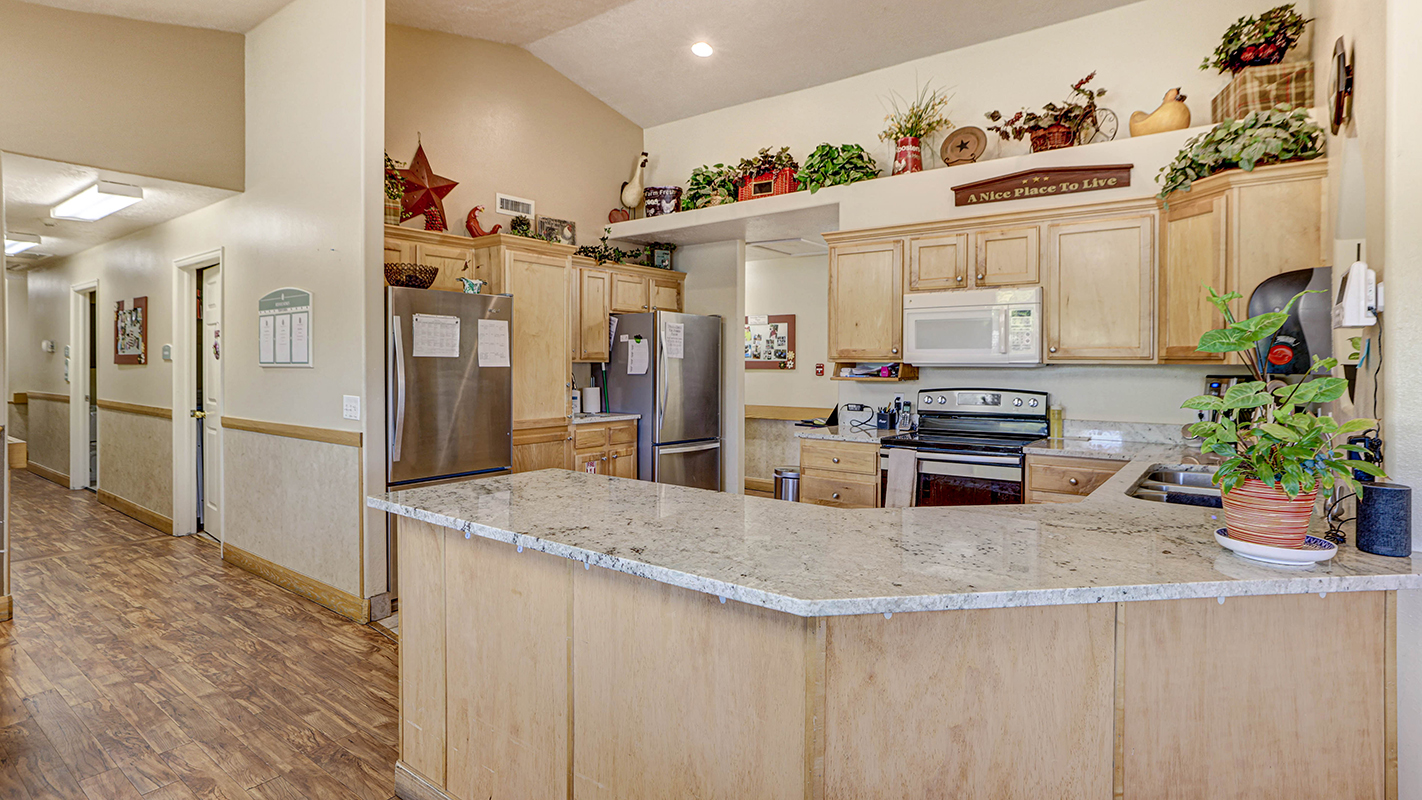
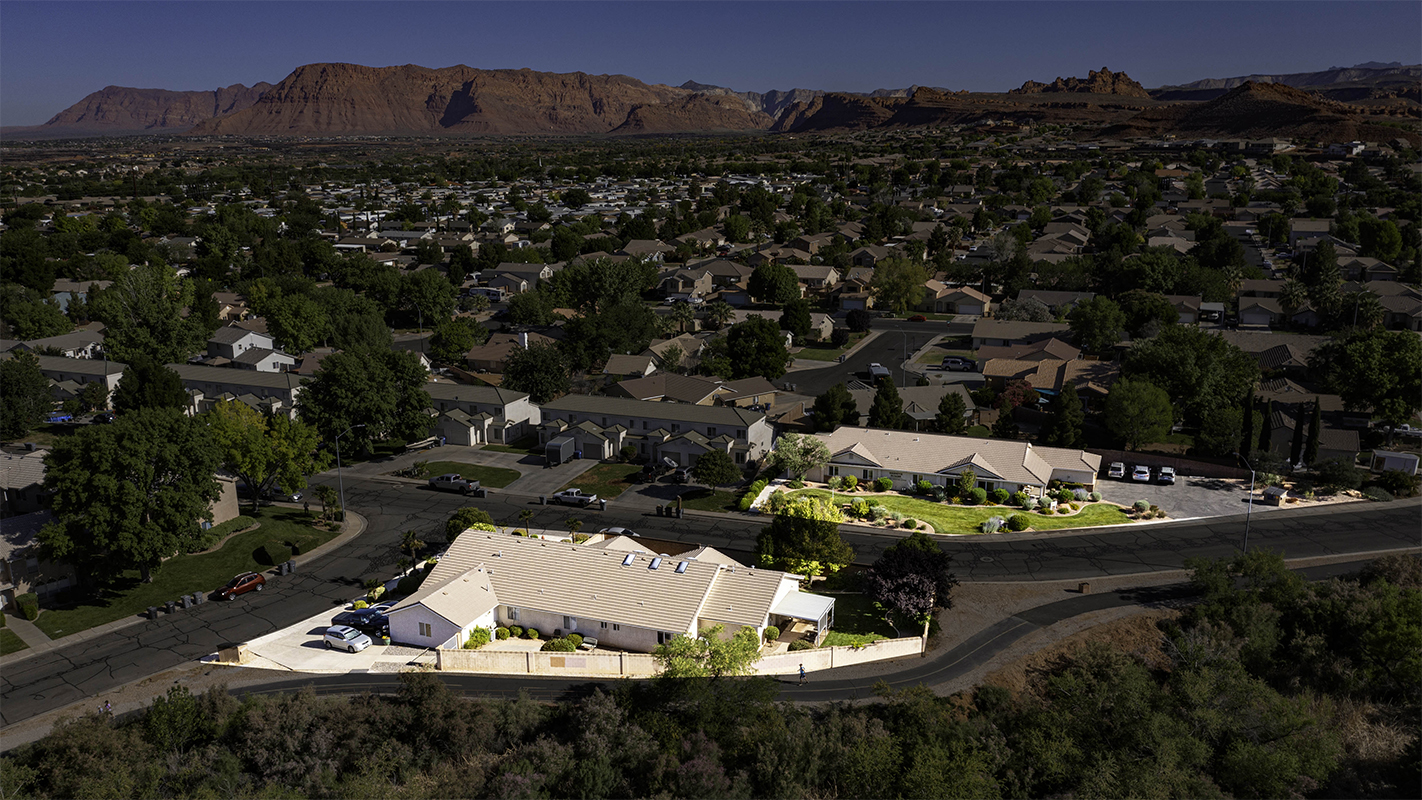
Located across the street from our Memory Care home, this level one facility is licensed for 13 residents. The more active residents enjoy the fact that the home is located near one of the popular community walking trails and is just a half block from a community park. The charming and cozy decor provide a homelike environment and there is usually something good cooking in the kitchen.
1542 W 1170 N, St. George, UT 84770
Business Hours
Monday thru Saturday: 9:00am to 5:00pm
Facebook: https://www.facebook.com/Beehivehomessnowcanyon/
When households first begin pricing senior care, the numbers can seem like a cliff edge. A private room in a nursing home can encounter 6 figures per year in many regions. Assisted living averages less, but it is still a major regular monthly expenditure, and memory care adds another premium for security and staffing. On the other hand, most people wish to honor a parent's preferences and preserve self-respect, not simply discover the least expensive alternative. The good news is that costs bend with preparation, creativity, and a clear understanding of what care is really needed at each stage.
I have actually sat at cooking area tables with children and sons who were balancing their own kids' schedules, their jobs, and a pile of brochures with shiny pictures that didn't address the genuine questions. Over time, I discovered that households who approached senior living assisted living decisions with a triage state of mind saved more, preserved relationships, and avoided the worried, pricey choices that come with a health crisis. The goal here is not to cut corners on safety or compassion. The goal is to invest wisely, timed to the genuine requirement, and to use all the financing sources that being in plain view however are often overlooked.
Start with need, not with buildings
Most advertisements press the bundle: an apartment, activities calendar, chef-prepared meals. That can be a charming fit, but a building is not a care plan. Begin by specifying the specific assistance your parent needs now and what is most likely to change in the next 6 to 12 months. Be concrete. Dressing and bathing? Medication reminders and refills? Movement support? Memory supervision for roaming or sundowning? These details drive cost even more than square video footage or a swimming pool out back.
Families frequently overbuy since they fear decline. I comprehend the impulse. However spending for a full-time memory care unit six months before symptoms warrant it drains pipes funds you may need later on. On the other hand, underbuying assistance can result in falls, hospitalizations, and a hurried move that costs more. The middle course is frequent re-evaluation. If an elderly parent is safe with suggestions and light assistance, home with a few hours of care can bridge for a year or more, which purchases time to save and look into a longer-term solution.
In my experience, the very first genuine cash saver is matching care levels to the ideal setting. Assisted living works for those who require aid with everyday tasks however do not require round-the-clock medical oversight. Memory care is designed for cognitive problems that impacts security. If your loved one is in between these 2, search for assisted living communities with secure floorings or little memory assistance programs, which are often cheaper than full memory care units.
Right-size home support before you move
Moving into senior living is not the only lever. Home-based services can alleviate the most pressing issues at a fraction of the expense if organized attentively. Non-medical home care agencies charge by the hour and costs differ by region. The most significant swing element is the minimum hours per shift. If an agency needs a four-hour minimum and you need only 90 minutes of aid for a shower and breakfast, you will spend for unused time. Some companies, often smaller regional ones, will do two-hour visits. It takes phone calls and respectful persistence to find them.
Medication management is a classic example. If the primary concern is missed out on tablets, you can minimize private task hours by automating the task. Locked dispensers with timed alarms cost far less than everyday caregiver gos to. Pharmacies can provide blister packs or bubble packs that make it more difficult to double dose, and in some locations, a visiting nurse can set these up weekly. Shifting a task from people to systems is not cold. It conserves cash while keeping security, and it schedules paid human aid for activities that truly need hands-on care.
Respite care is another underused tool. Short-term stays in assisted living or memory care, typically two to six weeks, provide a household caregiver time to regroup without committing to a long lease. Rates are usually higher daily than an irreversible move, but they can be more affordable than employing day-and-night assistance in your home during a crunch. If you need to travel for work or recuperate from surgical treatment, a respite stay can avoid burnout and keep your loved one safe.
The peaceful power of safeguarding the house
People argue about whether to "age in place." It is not a faith. It is a set of changes to the home that purchase time and independence safely. Get bars, raised toilet seats, non-slip mats, and enhanced lighting spend for themselves rapidly. I am not suggesting an expensive remodel. Start with the most harmful zones: restrooms and stairs. A fall can erase a year's senior care budget plan in a week.
One household I worked with had a father who refused to use a walker on his carpeted hallway due to the fact that it felt clunky. We switched it for a streamlined rollator with better wheels, cleared 2 little throw carpets, and added a motion-sensor nightlight path from bed to restroom. That was a $300 repair that prevented a fracture and the cascade of rehab, healthcare facility co-pays, and potential placement that follows.
Consider a home security evaluation. Physical therapists and occupational therapists who do in-home assessments area risks you no longer see. Medicare often covers this if bought by a physician, especially after a hospitalization or if there is a recorded practical decline. If you get this covered, you are paying in co-pays rather than personal cash.
Know the rate chauffeurs inside assisted living and memory care
When you tour assisted living or memory care communities, the base lease is just the foundation. The care plan, frequently scored by points or levels, drives the regular monthly expense. Level increases occur when your loved one requires more hands-on aid. Ask how they evaluate levels, how typically they reassess, and what activates a modification. Some neighborhoods fast to bump levels after a brief rehabilitation stay, then slow to minimize them after healing. Build in the expectation of re-evaluation with the nurse supervisor during the very first month back.
Understand bundling. Some communities use an "extensive" rate that wraps meals, housekeeping, and a fixed amount of care into one number. Others cost care services à la carte. For light-care locals, à la carte is frequently cheaper. For those with intricate needs, all-encompassing can be a better offer and more foreseeable. Neither model is inherently moral or unethical. It is math. Demand the fee schedule in composing and map it to your loved one's real requirements, not their aspirational ones on a good day.
Memory care has included costs that exceed mathematics. Staffing ratios are higher. Security functions, shows, and training contribute to the price. That said, not all memory care is produced equal. Some units are little and calm, which can decrease agitation and therefore the requirement for expensive one-on-one supervision. Others depend on big typical spaces that overwhelm particular locals. If behaviors are driving cost, the best environment might reduce those habits and the add-on charges that accompany them.
Timing matters more than we admit
Senior living neighborhoods are services with occupancy targets. Rates fluctuate with demand and season. Late spring and early summertime relocations tend to be busier in lots of markets, while late fall often sees more flexible pricing. If your timeline allows, ask about current occupancy and any upcoming rewards. Waived community costs, discounted 2nd individual costs for couples, or a few months of minimized lease can include up.
Short stays at rehab facilities can also be leveraged. If your parent is recuperating after a hospitalization, you may buy yourself 3 to six weeks to prepare a move, throughout which Medicare may be covering the rehab remain if criteria are satisfied. Usage that window to tour, compare agreements, and organize finances instead of making a premium-priced emergency choice.
Pay only for what preserves safety and dignity
It is easy to fall for amenities due to the fact that they relieve our own regret. An art studio and wine tastings sound charming, however they may not matter to your parent. Inquire. Numerous older grownups worth routine, company at meals, and a friendly face far more than official programs. If you pick a community for a robust activity calendar, however your loved one chooses peaceful walks and familiar television programs, you are spending for something that won't be utilized. Spend where it counts. That may imply a smaller sized apartment or condo with a much better place on the flooring, or a neighborhood with an exceptional nurse who addresses the phone, rather than a grand lobby.
One child I dealt with picked a modest assisted living near her father's barber and church rather than a luxury neighborhood throughout town. He kept his social ties, which lowered depression and, unexpectedly, his total care requirements. Material people require less coaxing, fewer pricey escalations, and less urgent calls.
Use advantages that numerous families miss
An unexpected number of people pay cash for senior care without very first mining offered benefits. The alphabet soup can be confusing, so tackle it piece by piece.
- Veterans advantages, particularly Aid and Participation, can assist eligible veterans and spouses with monthly payments for support with daily activities. The application process is paperwork-heavy and takes months, so start early. Recognized representatives, veterans service organizations, or county veterans workplaces can assist without charging predatory fees. Long-term care insurance may cover assisted living, memory care, home care, or respite care, but policies differ. Families often assume a policy will not spend for particular settings and never ever file a claim. Submit anyway. Ask the insurer to specify trigger criteria and accepted service providers in writing. Keep daily care logs to corroborate need. Medicaid assists with long-term take care of those with limited income and assets. Even middle-income households might qualify after investing down possessions properly. Each state runs its own program with its own guidelines. Some assisted living neighborhoods accept Medicaid after a personal pay duration, typically 12 to 24 months. If this is your plan, confirm the policy in the agreement, not simply verbally. Medicare does not pay for custodial care in assisted living or memory care, however it does cover medical care, certain devices, and time-limited home health or rehab services. Utilizing covered home health for injury care or physical therapy can decrease private-pay hours momentarily and support someone after a setback. Tax techniques might help. If your parent is considered chronically ill and has a care strategy from a certified professional, some assisted living or memory care costs might be deductible as medical expenditures. Keep invoices and speak with a tax expert to avoid assumptions that sink you later.
Compare agreements with a magnifying glass
Senior living agreements check out like airline terms. The headline price is just the start. Concentrate on how and when rates can increase. Normal annual increases vary from 3 to 8 percent, and often more for care levels. Ask for historic data from the neighborhood: what they actually raised rates by over the previous three years. It won't ensure the future, but it anchors your expectations.
Look carefully at deposit terms and refund policies. Some places need a neighborhood fee that is nonrefundable. Others will credit it toward the first month. Month-to-month leases use flexibility if your parent does not settle in or if a hospital stay exposes a mismatch. Longer-term commitments often offer lower rates, but they can trap you if care needs grow out of the setting. If cognitive decrease is advancing, flexibility has real value.
Meal plans are another location where cash leaks. If your loved one consumes lightly or chooses breakfast in their apartment, a three-meal plan might be inefficient. Some communities enable switching to two meals or perhaps a per-meal package. Ask. Also ask about visitor meal policies. If family can join for a modest fee or complimentary on particular days, you can maintain connection without constantly taking your parent out to restaurants.
Creative staffing in your home without chaos
If your parent remains at home, staffing wisely is part art, part logistics. Agencies supply backup when a caregiver calls out, manage payroll and insurance, and train staff, however they cost more. Straight employing caregivers cuts costs however increases your admin problem and legal threat. If you go the direct path, utilize a payroll service, get workers' compensation protection, and inspect references like your future depends on it. It might.
For some households, a hybrid works finest. Utilize a company for the most complex or unpredictable shifts, like nights with sundowning in mild dementia. Complete daytime jobs with a relied on caretaker you hire straight at a lower hourly rate. Keep a small bench of dependable fill-ins. Emergencies occur, and paying a premium for last-minute coverage harms less when it is occasional rather than daily.
Communication keeps expenses down by minimizing turnover. Caretakers who feel notified and appreciated stay longer. Shortening the continuous replacement cycle saves you onboarding time and errors. A small shared notebook in the kitchen area or an easy app where caregivers log meals, hydration, moods, and mobility helps identify patterns early, before they end up being crises.
The difficult conversation about driving and wandering
There are a few subjects that, if avoided, become pricey quickly. Driving is one. If your parent is borderline safe, a medical professional's examination or a specialized driving evaluation can supply an objective anchor. Eliminating secrets is never ever easy, but the legal and monetary fallout from an accident dwarfs any rideshare costs. Budget plan for transportation deliberately. Some neighborhoods include set up trips. Many use a restricted radius. If your parent has frequent consultations, ask whether the community charges per journey beyond a specific number and plan accordingly.
Wandering in early amnesia is another expense multiplier. A single cops search can be the wake-up call that leads to full memory care before it is otherwise required. Think about door alarms, GPS shoe insoles, or smartwatch trackers that work for your parent's comfort level. Check them for a week to guarantee charging patterns and notifications fit your household's regimens. These tools are not foolproof, but they purchase you time and decrease the danger that forces an instant, pricey move.
When sharing a home pencils out, and when it does n'thtmlplcehlder 88end. Multigenerational living can be a balm for the budget plan and the heart, however it is not free. People frequently neglect to aspect lost earnings, increased utilities, home adjustments, and the undetectable expense of caregiver stress. If you are considering moving a parent in, map a day hour by hour. Identify who does what, and what paid assistance you will still require. A half-day adult day program can be a lifesaver here, supplying social time for your parent and work time for you. These programs often cost less than personal responsibility look after the exact same hours and consist of activities and guidance. Transportation may be included. Roommates within senior living can minimize costs too. Some assisted living apartments enable shared tenancy at a lower rate. This works well when 2 individuals are compatible and the neighborhood has experience matching locals. It is not right for everybody. Personal privacy matters, and required friendship can backfire. Trial visits and truthful conversations with personnel about character fit are essential. Respite care as a preparation tool, not just a break
I've seen respite care utilized wonderfully as a way to test a neighborhood without committing. A two-week stay lets you examine how your parent consumes, sleeps, and engages. Staff learn more about them and can provide candid feedback on whether the setting is a fit. If you decide to relocate completely, you have real information, not simply a tour impression. If it is not a match, you spared yourself the cost and stress of a full move-in and out. Neighborhoods with respite suites often fill them, so book ahead if you can.
Respite care also stabilizes tough shifts. After a surgery, a short stay in assisted living with medication management and assist with bathing can avoid falls in the house. If you know that a decrease is most likely however not yet acute, a pre-arranged respite slot gives you an off-ramp you can take rapidly when needed, instead of paying leading dollar for emergency situation coverage.
Watch for early indications that spending requirements to shift
Budgets stop working when modifications slip up. Construct a habit of short, respectful check-ins on function. Is bathing becoming a negotiation each time? Are medications getting avoided on Tuesdays when the preferred TV program airs? Is the mail piling up? These little flags typically precede bigger issues. Changing an hour of help or including a weekly nurse visit can prevent a hospitalization that activates an expensive move.
In assisted living and memory care, walk the structure at off hours. Nights and weekends show how a community really runs. If call bells go unanswered or meals are hurried, you may require to promote for a care plan change or consider whether a various community would handle your loved one's needs better for the exact same cash. A well-run structure often costs less in the long run because problems get dealt with before they escalate.
What to negotiate, even if you are not a negotiator
Rates are not sculpted in stone. Smaller, independently owned assisted living neighborhoods may have more flexibility than big chains, however even big brands run promotions. Courteous, informed questions frequently emerge options.
- Ask for the community charge to be reduced or waived, particularly if you can move in rapidly or during a slower season. Request a lower care level for the very first month with an arranged reassessment, if your parent's needs are borderline and you can supplement with family help. Inquire about a rate lock for a set period, such as the first year, or a cap on the first increase. If you are moving a couple, ask about bundled rates or discount rates for the 2nd person fee. For memory care, ask whether behaviors that happened just during a hospital stay will instantly activate a greater level, and how rapidly that can be reevaluated.
A basic expression helps: "What flexibility do you have on these products?" Then stay peaceful. Sales directors who are able to help will generally reveal you the levers.
Plan for decrease without costs for it now
A thoughtful spending plan consists of future care tiers without paying today's dollars for tomorrow's needs. Map out 3 situations: steady with light help, moderate assistance, and higher-level care such as memory care or knowledgeable nursing. Connect realistic month-to-month varieties to each, based upon your regional market. You do not require to know the exact community to estimate. Then line up the anticipated funding: Social Security, pension, retirement withdrawals, long-term care insurance, and possible Medicaid eligibility if properties drop.

Families who sketch this out on paper make calmer choices. When a crisis comes, you currently know that if strolling ends up being risky, you will shift from home care to assisted living, and you already have 2 communities that accept Medicaid after a personal pay period. Or you understand that if memory declines, you will transition from assisted living to the memory care wing on the second flooring, where your parent has actually currently gone to a couple of activities during respite visits. Calm saves money.
The human side of frugality
Cost-saving in elderly care is not just about line products. It has to do with protecting energy and spirit. A boy who calls every evening can reduce his mother's stress and anxiety enough that she sleeps and consumes much better, which supports health and decreases the requirement for extra check-ins. A neighbor who strolls with your father on Tuesdays provides him something to eagerly anticipate, which makes him less resistant to bathing on Wednesdays. These are not techniques. They are the glue that keeps paid care from having to fill every gap.
If regret creeps in when you make a cost-conscious option, test it against 2 questions. Does this choice preserve safety? Does it appreciate the person your parent has constantly been? If the answer is yes to both, you are not being low-cost. You are being a good steward of minimal resources, which allows you to care longer and with less resentment.
A short, useful checklist for households comparing options
- Write out the specific day-to-day jobs that require aid today, the frequency, and the risks if left unsupported. Get the complete fee schedule from each assisted living or memory care neighborhood, including care levels, meal strategies, transport, and future increase policies. Call your county's location company on aging to discover local programs, adult day services, and caregiver grants you might not find online. Review benefits: long-lasting care insurance coverage, veterans Help and Participation, Medicaid paths, and prospective medical tax deductions. Pilot changes for 2 weeks at a time: try a medication dispenser, a minimized meal plan, or a short respite stay to measure real-world impact.
The fundamental mindset
Senior care is not one decision. It is a series of adjustments. Families that do best treat it like a living strategy: observe, fine-tune, utilize respite care when they need a breather, and renegotiate when the situation changes. They understand the distinct functions of home care, assisted living, and memory care, and they put each piece when it really fits instead of as a reflex to fear. They ask for advantages they have made. They cut costs where it does not serve safety or self-respect, and they put those dollars where it does.
If you are starting this journey, offer yourself permission to discover. Spend a week logging what aid is required and when. Make 2 calls a day: one to a home care company with brief minimums, one to an assisted living neighborhood that fits your parent's actual lifestyle, and one to your area agency on aging. By the end of the week, you will understand more than you did on Monday, and your strategy will begin to take shape. The budget plan will still be genuine, however it will feel less like a cliff and more like a path, one careful, compassionate step at a time.
BeeHive Homes of St George Snow Canyon provides assisted living care
BeeHive Homes of St George Snow Canyon provides memory care services
BeeHive Homes of St George Snow Canyon provides respite care services
BeeHive Homes of St George Snow Canyon offers 24-hour support from professional caregivers
BeeHive Homes of St George Snow Canyon offers private bedrooms with private bathrooms
BeeHive Homes of St George Snow Canyon provides medication monitoring and documentation
BeeHive Homes of St George Snow Canyon serves dietitian-approved meals
BeeHive Homes of St George Snow Canyon provides housekeeping services
BeeHive Homes of St George Snow Canyon provides laundry services
BeeHive Homes of St George Snow Canyon offers community dining and social engagement activities
BeeHive Homes of St George Snow Canyon features life enrichment activities
BeeHive Homes of St George Snow Canyon supports personal care assistance during meals and daily routines
BeeHive Homes of St George Snow Canyon promotes frequent physical and mental exercise opportunities
BeeHive Homes of St George Snow Canyon provides a home-like residential enviroMOent
BeeHive Homes of St George Snow Canyon creates customized care plans as residents’ needs change
BeeHive Homes of St George Snow Canyon assesses individual resident care needs
BeeHive Homes of St George Snow Canyon accepts private pay and long-term care insurance
BeeHive Homes of St George Snow Canyon assists qualified veterans with Aid and Attendance benefits
BeeHive Homes of St George Snow Canyon encourages meaningful resident-to-staff relationships
BeeHive Homes of St George Snow Canyon delivers compassionate, attentive senior care focused on dignity and comfort
BeeHive Homes of St George Snow Canyon has a phone number of (435) 525-2183
BeeHive Homes of St George Snow Canyon has an address of 1542 W 1170 N, St. George, UT 84770
BeeHive Homes of St George Snow Canyon has a website https://beehivehomes.com/locations/st-george-snow-canyon/
BeeHive Homes of St George Snow Canyon has Google Maps listing https://maps.app.goo.gl/uJrsa7GsE5G5yu3M6
BeeHive Homes of St George Snow Canyon has Facebook page https://www.facebook.com/Beehivehomessnowcanyon/
BeeHive Homes of St George Snow Canyon won Top Assisted Living Homes 2025
BeeHive Homes of St George Snow Canyon earned Best Customer Service Award 2024
BeeHive Homes of St George Snow Canyon placed 1st for Senior Living Communities 2025
People Also Ask about BeeHive Homes of St George Snow Canyon
How much does assisted living cost at BeeHive Homes of St. George, and what is included?
At BeeHive Homes of St. George – Snow Canyon, assisted living rates begin at $4,400 per month. Our Memory Care home offers shared rooms at $4,500 and private rooms at $5,000. All pricing is all-inclusive, covering home-cooked meals, snacks, utilities, DirecTV, medication management, biannual nursing assessments, and daily personal care. Families are only responsible for pharmacy bills, incontinence supplies, personal snacks or sodas, and transportation to medical appointments if needed.
Can residents stay in BeeHive Homes of St George Snow Canyon until the end of their life?
Yes. Many residents remain with us through the end of life, supported by local home health and hospice providers. While we are not a skilled nursing facility, our caregivers work closely with hospice to ensure each resident receives comfort, dignity, and compassionate care. Our goal is for residents to remain in the familiar surroundings of our Snow Canyon or Memory Care home, surrounded by staff and friends who have become family.
Does BeeHive Homes of St George Snow Canyon have a nurse on staff?
Our homes do not employ a full-time nurse on-site, but each has access to a consulting nurse who is available around the clock. Should additional medical care be needed, a physician may order home health or hospice services directly into our homes. This approach allows us to provide personalized support while ensuring residents always have access to medical expertise.
Do you accept Medicaid or state-funded programs?
Yes. BeeHive Homes of St. George participates in Utah’s New Choices Waiver Program and accepts the Aging Waiver for respite care. Both require prior authorization, and we are happy to guide families through the process.
Do we have couple’s rooms available?
Yes. Couples are welcome in our larger suites, which feature private full baths. This allows spouses to remain together while still receiving the daily support and care they need.
Where is BeeHive Homes of St George Snow Canyon located?
BeeHive Homes of St George Snow Canyon is conveniently located at 1542 W 1170 N, St. George, UT 84770. You can easily find directions on Google Maps or call at (435) 525-2183 Monday through Sunday 9:00am to 5:00pm
How can I contact BeeHive Homes of St George Snow Canyon?
You can contact BeeHive Homes of St George Snow Canyon by phone at: (435) 525-2183, visit their website at https://beehivehomes.com/locations/st-george-snow-canyon, or connect on social media via Facebook
Take a short drive to the Red Cliffs Mall . Red Cliffs Mall offers a climate-controlled environment that makes shopping comfortable for residents in assisted living or memory care during respite care visits.